Trout
- Water
- Freshwater
- Habitat
- Cold streams and lakes; preferred depth differs among trout species.
- Lure guidance
- Match smaller forage and local hook rules; small-stream tackle does not cover large lake trout.
Behavior and tackle
These local examples use the middle and lower Yangtze climate for monthly activity and do not represent every species in a group.
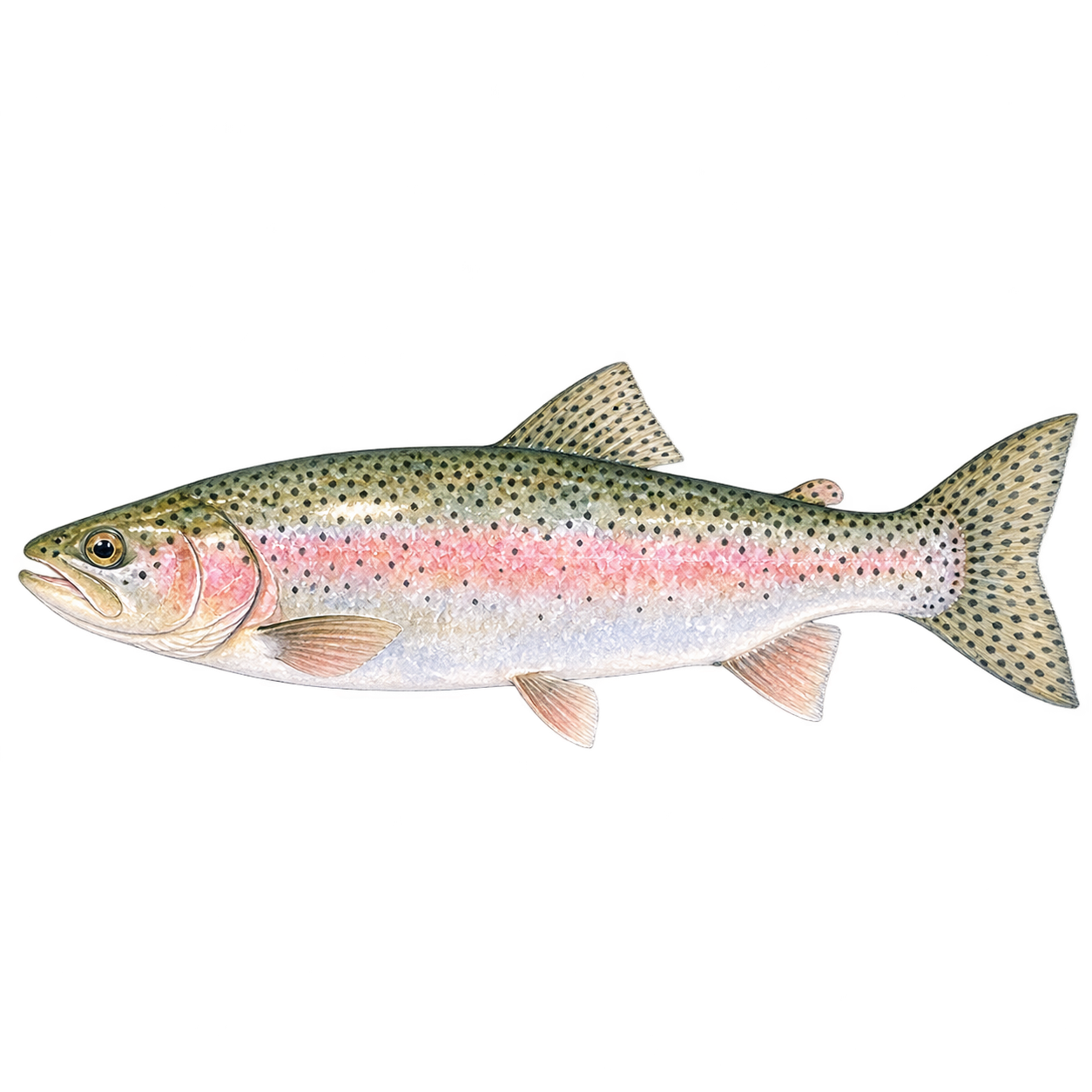
Rainbow Trout (Stocked Ponds) Oncorhynchus mykiss
A cold-water salmonid. In China it is mostly fished in managed pay ponds (“area trout”): you pay by the session and use micro spoons, small minnows and barbless single hooks, with an emphasis on skill and catch & release.
Habitat
- Man-made ponds or streams at managed fisheries (main season fall through spring)
- Some stocked cold-water streams
Behavior
- Prefers cold water (about 10–18 °C) and becomes much less active when it warms up.
- Very sensitive to color and retrieve speed, and its mood changes quickly through the day.
Monthly activity
Recommended Tackle
- Rod
- UL–L 5'6"–6'2", soft-action rod made for pay ponds
- Reel
- Spinning 1000–2000
- Line
- Mono or fluoro 2–4 lb, or PE / ester #0.2–0.4 + leader
- Almost all managed fisheries require barbless single hooks.
- Start bright and fast, then switch to darker colors and slower speeds as the fish wise up.
Several wild salmonids (such as taimen and lenok) are nationally protected wildlife in China; catching them is strictly prohibited.
Lure options
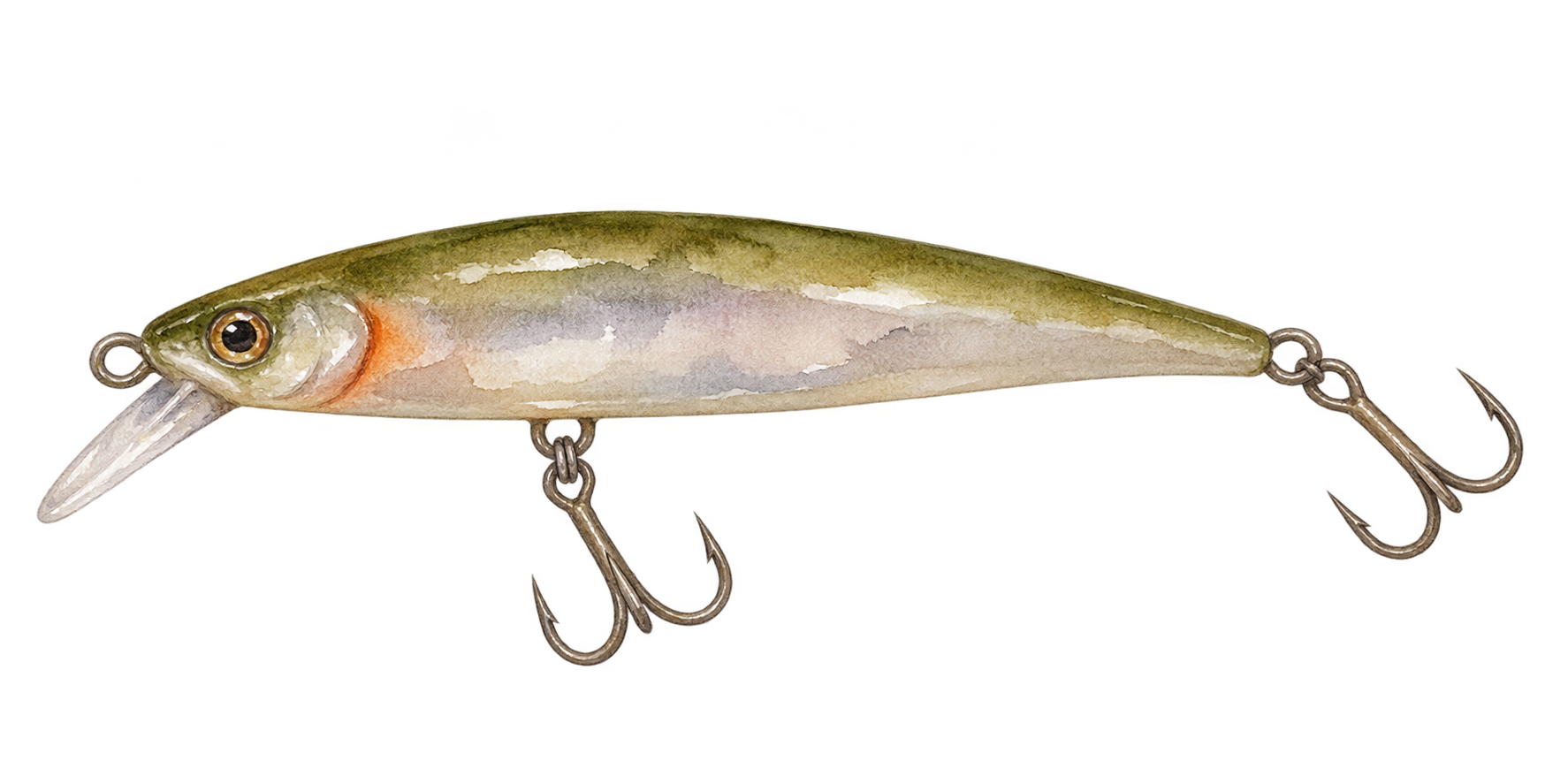
Minnows / Jerkbaits
Slender hardbaits that imitate swimming baitfish on a steady retrieve and dart on short twitches.
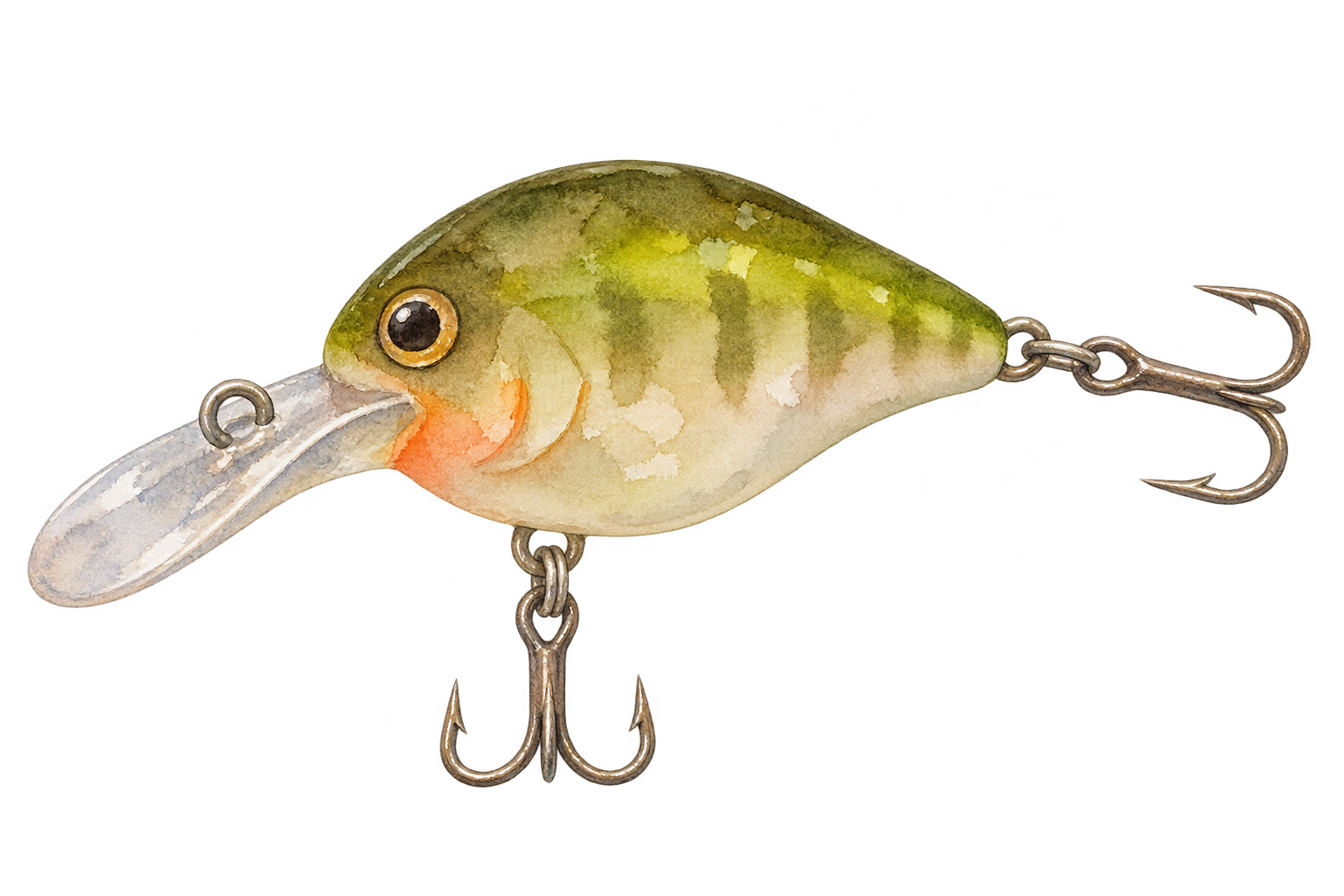
Lipped Crankbaits
Rounded hardbaits that dive and wobble using a lip; the family includes shallow, medium and deep runners.
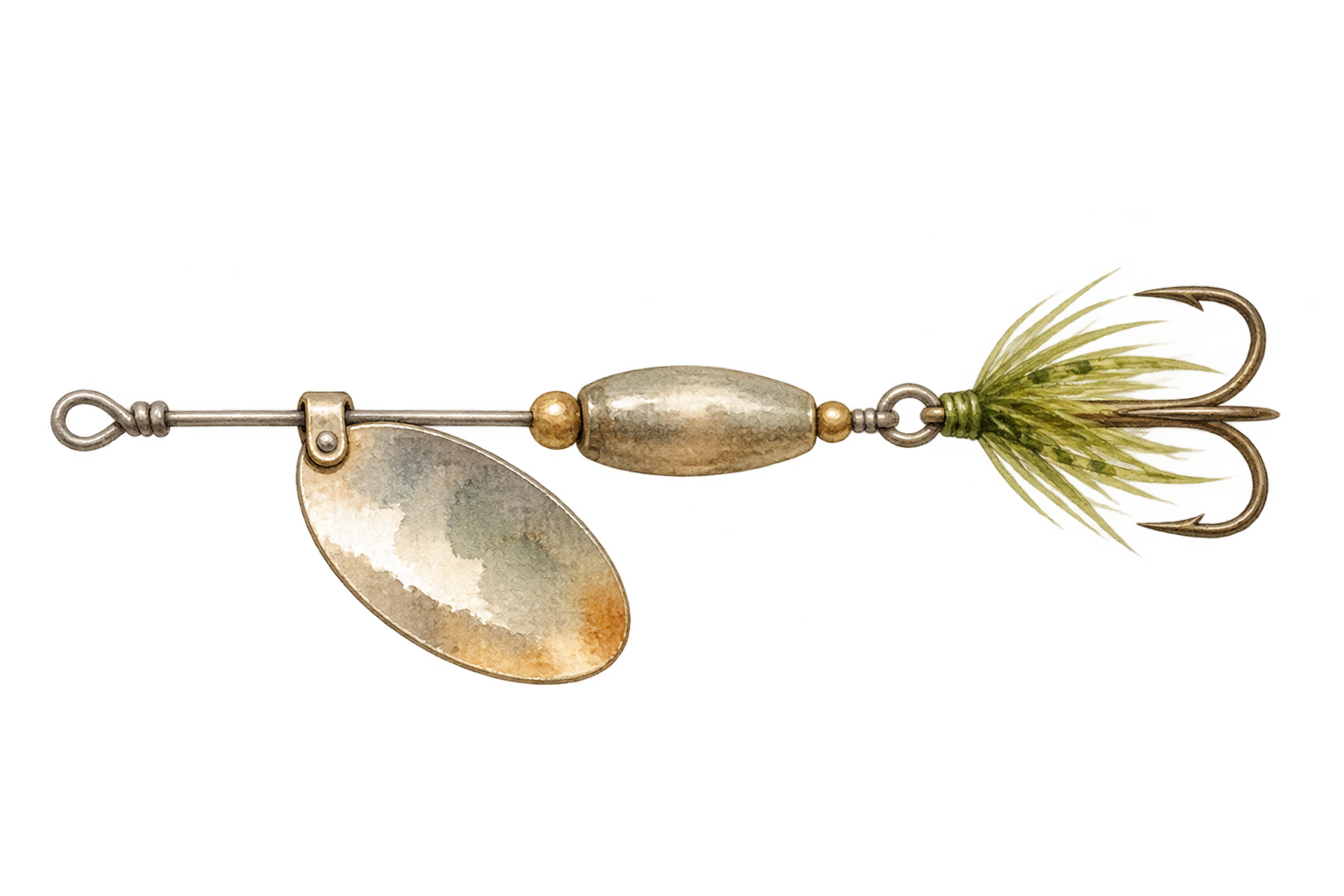
Inline Spinners
A blade rotates around a central shaft; useful in streams and open water with widely varying model weights.
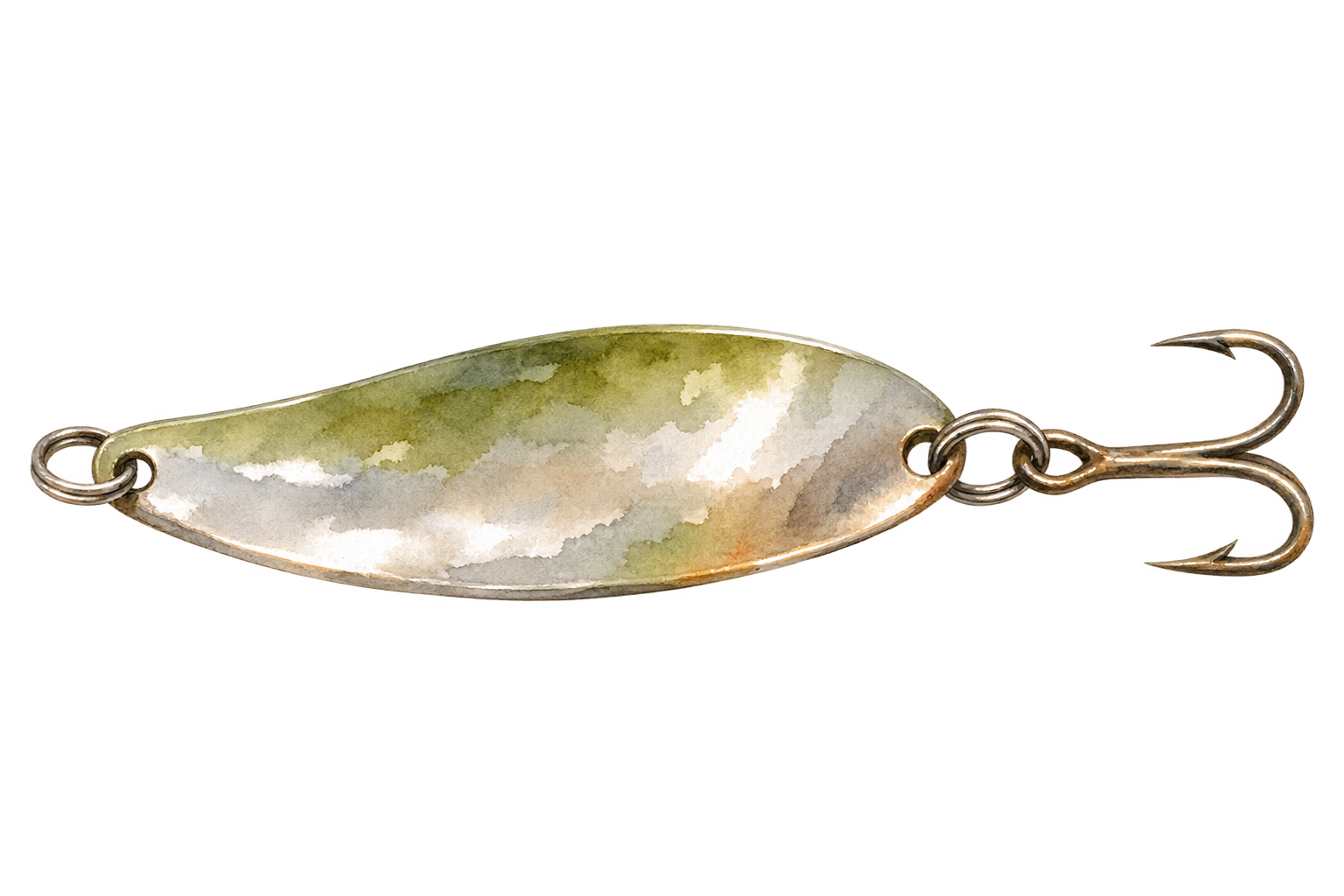
Spoon-shaped lure
Curved metal flashes and wobbles on retrieve and fall; casting, trolling and vertical models work differently.
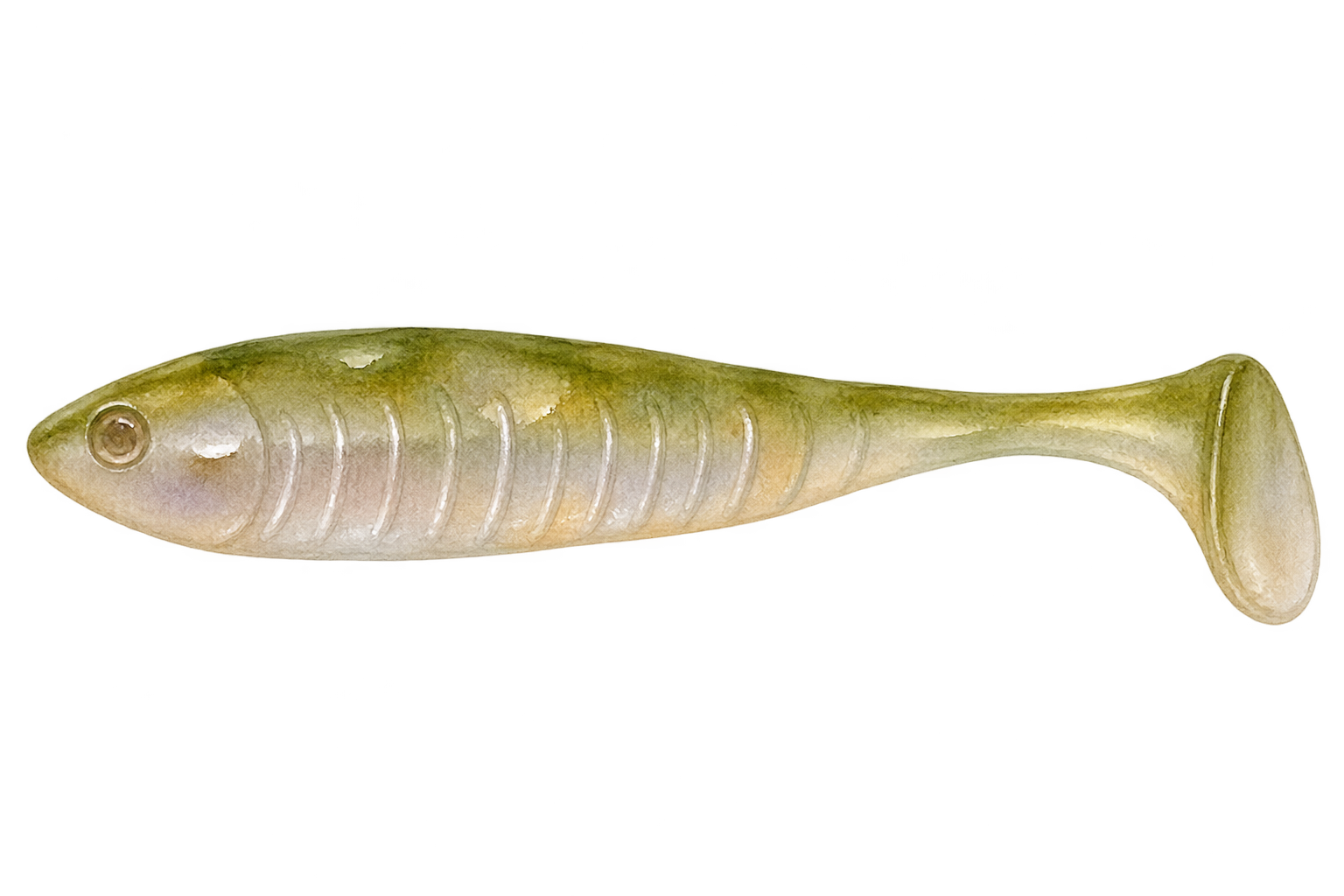
Paddletails / Grubs
Paddle or curly tails move during retrieve and can be used on jigheads, offset hooks or as trailers.
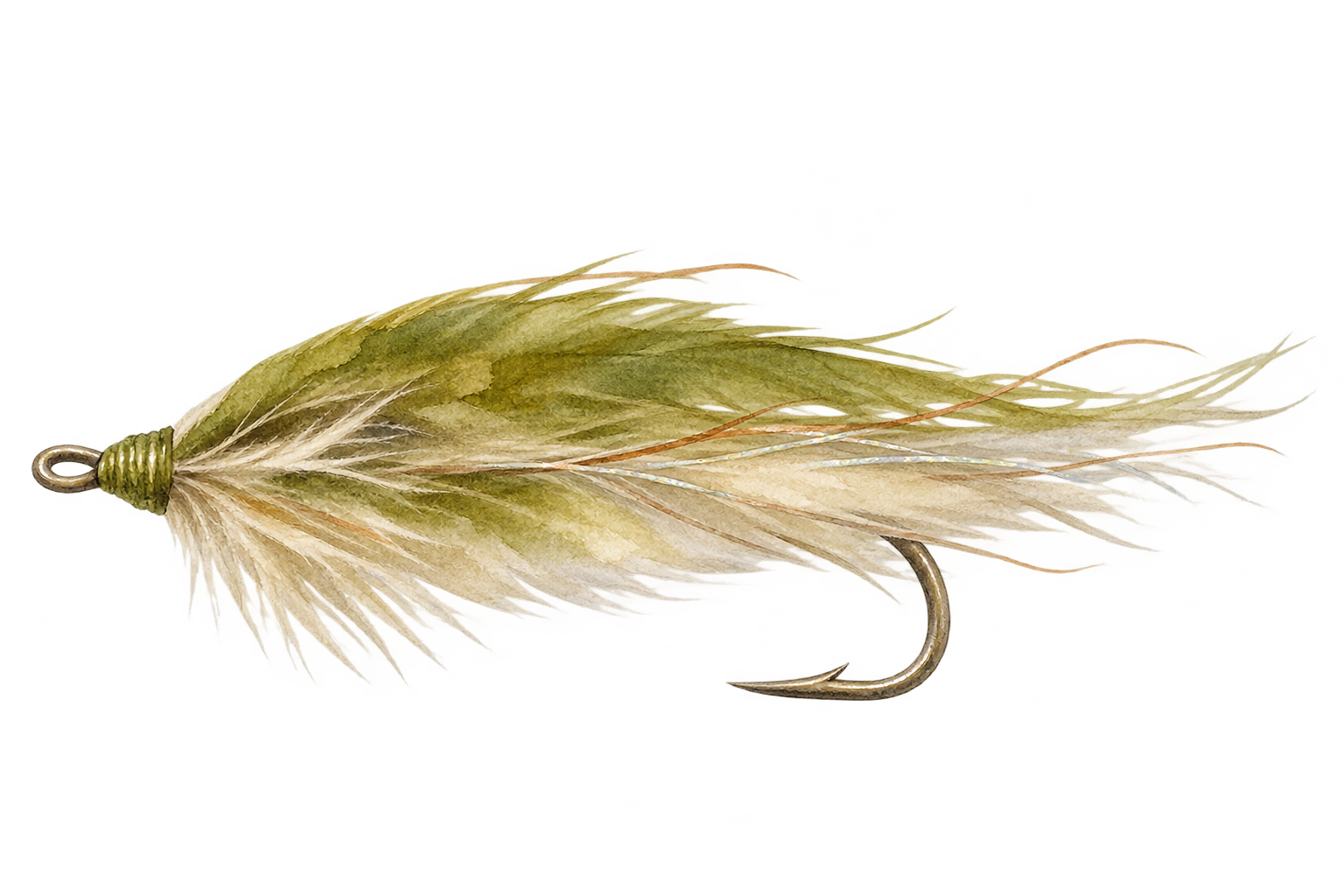
Artificial Flies
Imitations tied from feathers, hair or synthetics; dry flies, nymphs and streamers require distinct presentations.