Coastal Seabass
- Water
- Saltwater / estuary
- Habitat
- Estuaries, tidal channels, piers and reef-edge current boundaries.
- Lure guidance
- Match minnows or softbaits to current, forage and cover; inspect saltwater hooks, rings and corrosion resistance.
Behavior and tackle
These local examples use the middle and lower Yangtze climate for monthly activity and do not represent every species in a group.
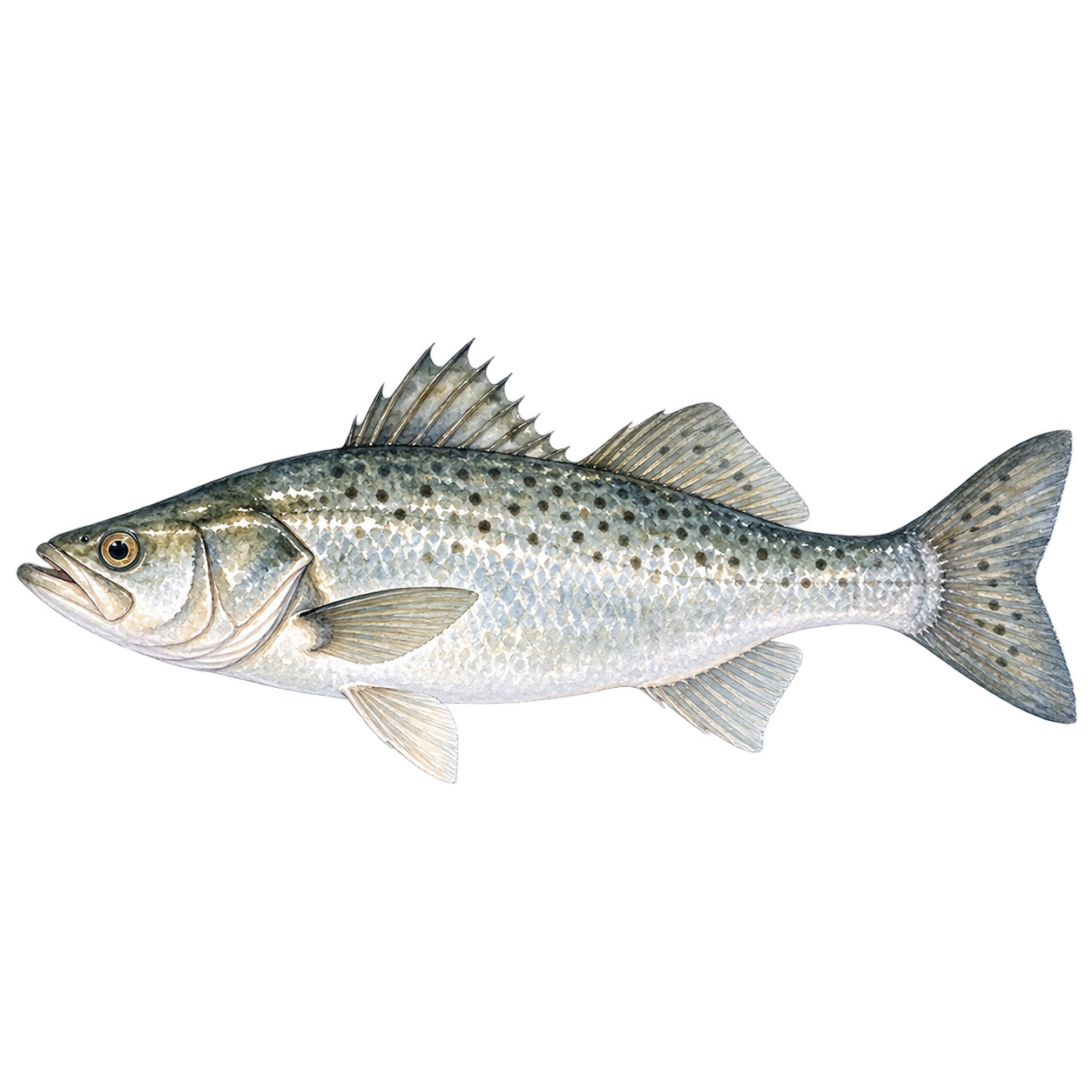
Spotted Sea Bass Lateolabrax maculatus
A common predator of coasts and estuaries that can move into brackish and even fresh water. The most popular saltwater lure fish, caught on minnows, sinking pencils, VIBs and soft plastics, timed around the tides.
Habitat
- Estuaries, harbors, breakwaters, rocky reefs
- Channels with strong tidal flow and current seams
- Lit piers at night
Behavior
- It moves with the tide to feed; the turn of the tide is often the bite window.
- At night it gathers under lights to feed on small fish.
Monthly activity
Recommended Tackle
- Rod
- Spinning ML–M 8'6"–10'0"
- Reel
- Spinning 3000–4000
- Line
- PE #0.8–1.5 + fluoro leader 16–25 lb
- Check the tide table and fish when the tide is moving.
- Rinse saltwater gear with fresh water after use to prevent corrosion.
Lure options
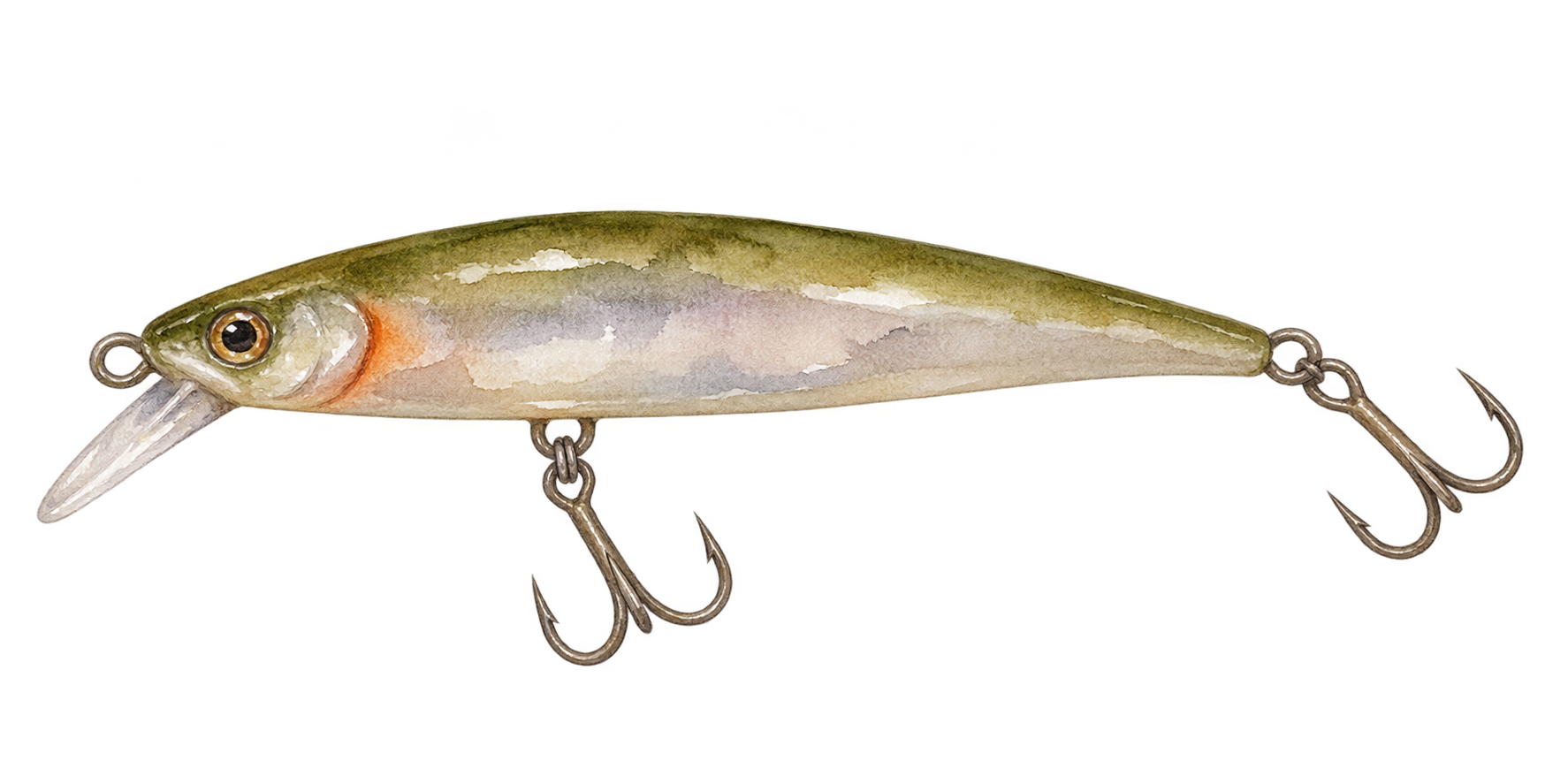
Minnows / Jerkbaits
Slender hardbaits that imitate swimming baitfish on a steady retrieve and dart on short twitches.
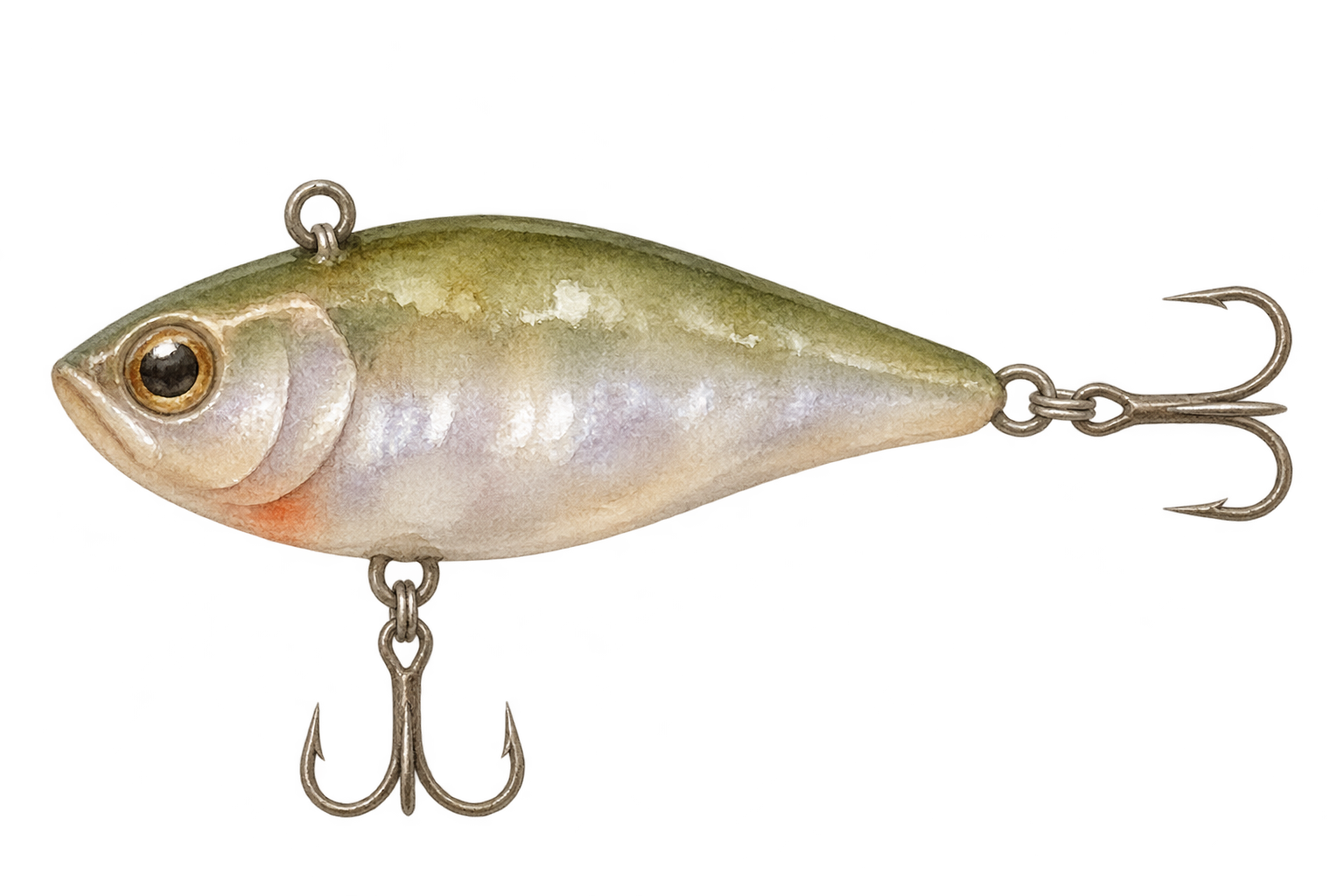
Lipless Crankbaits
Flat-sided hardbaits with a back line tie and a tight vibration, distinct from thin metal blade baits.
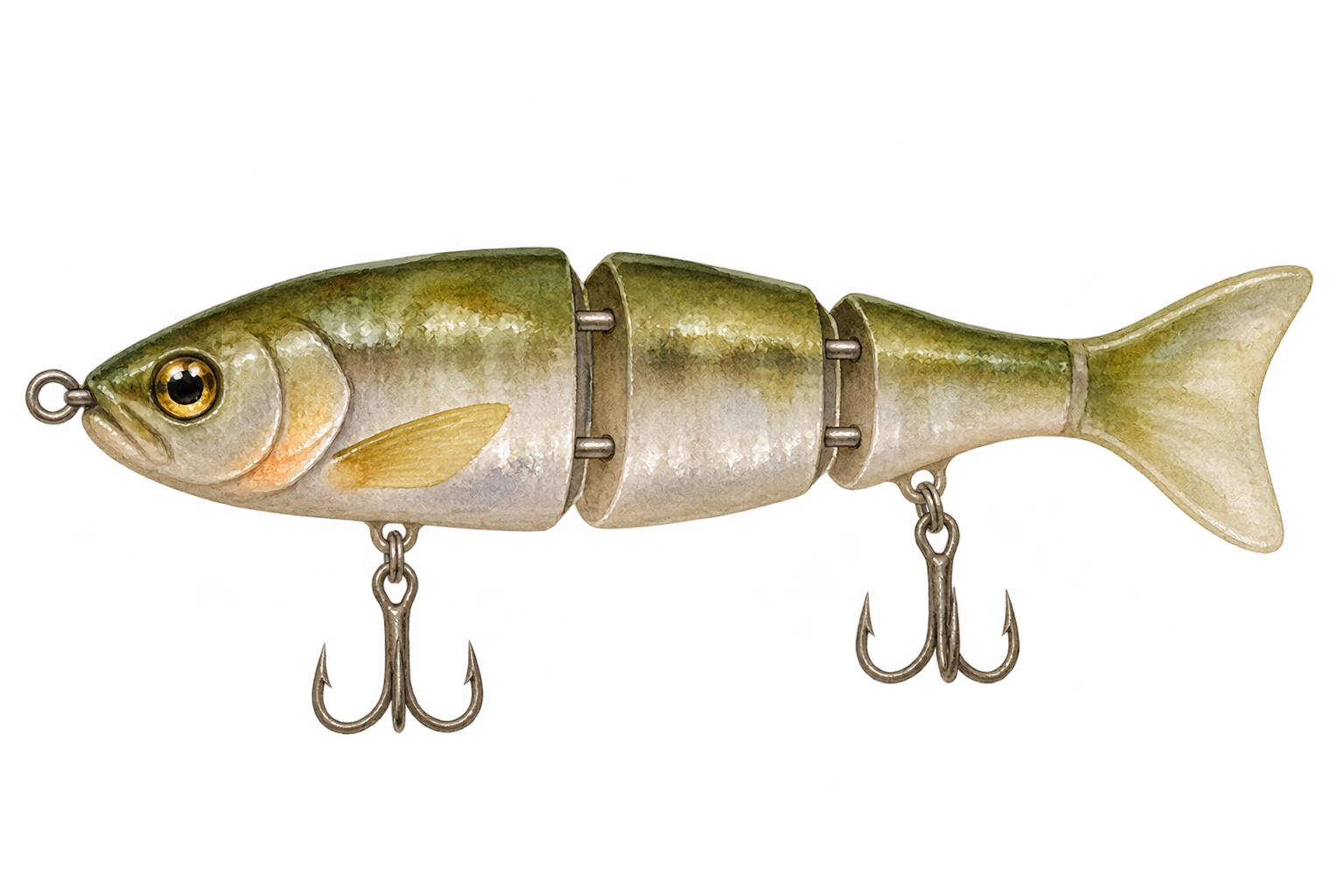
Jointed Swimbaits
Multi-jointed bodies swim with an articulated baitfish action; soft paddletails and glide baits have separate entries.
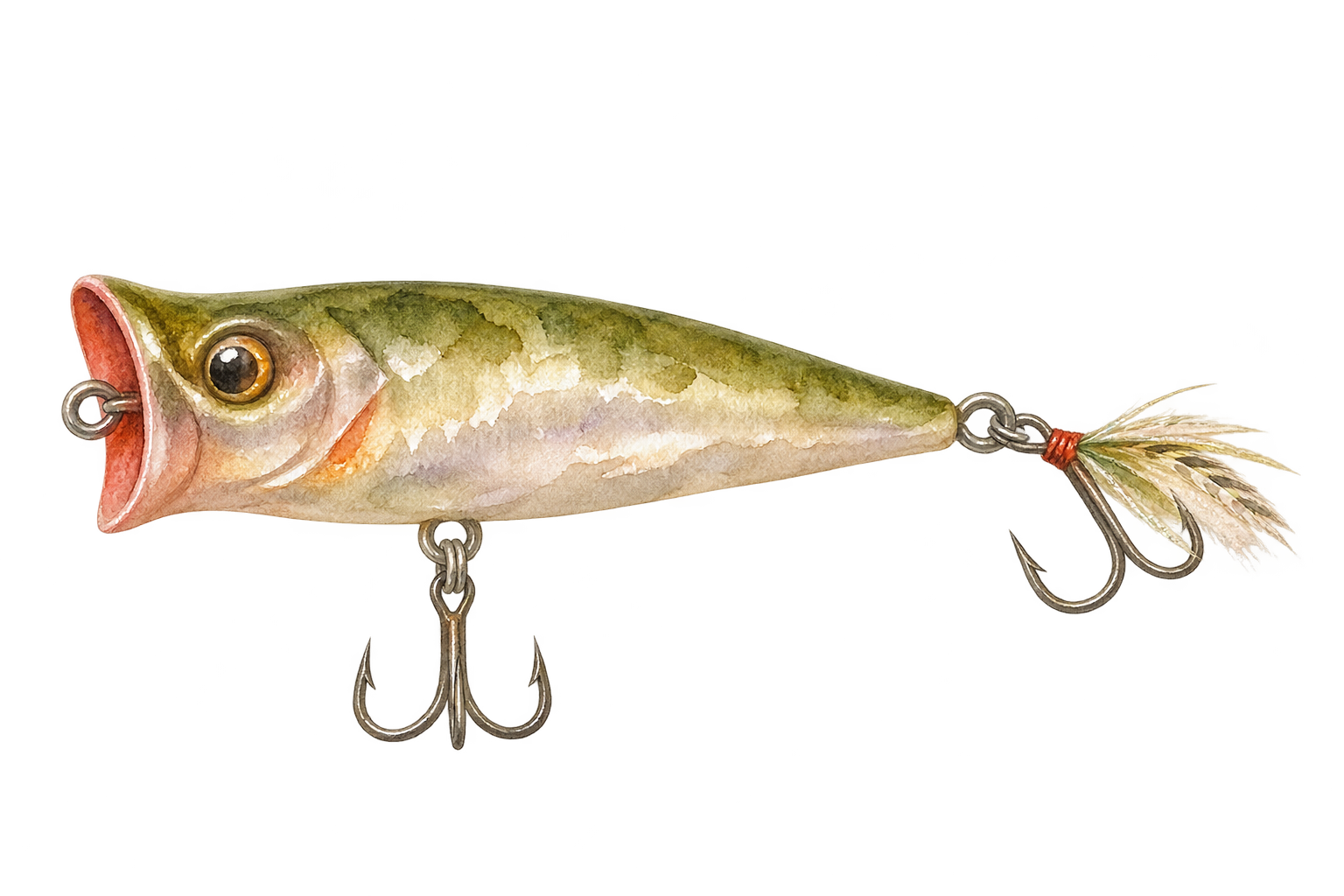
Popper
A cupped mouth pushes water to produce surface disturbance, unlike a frog or wire-frame buzzbait.
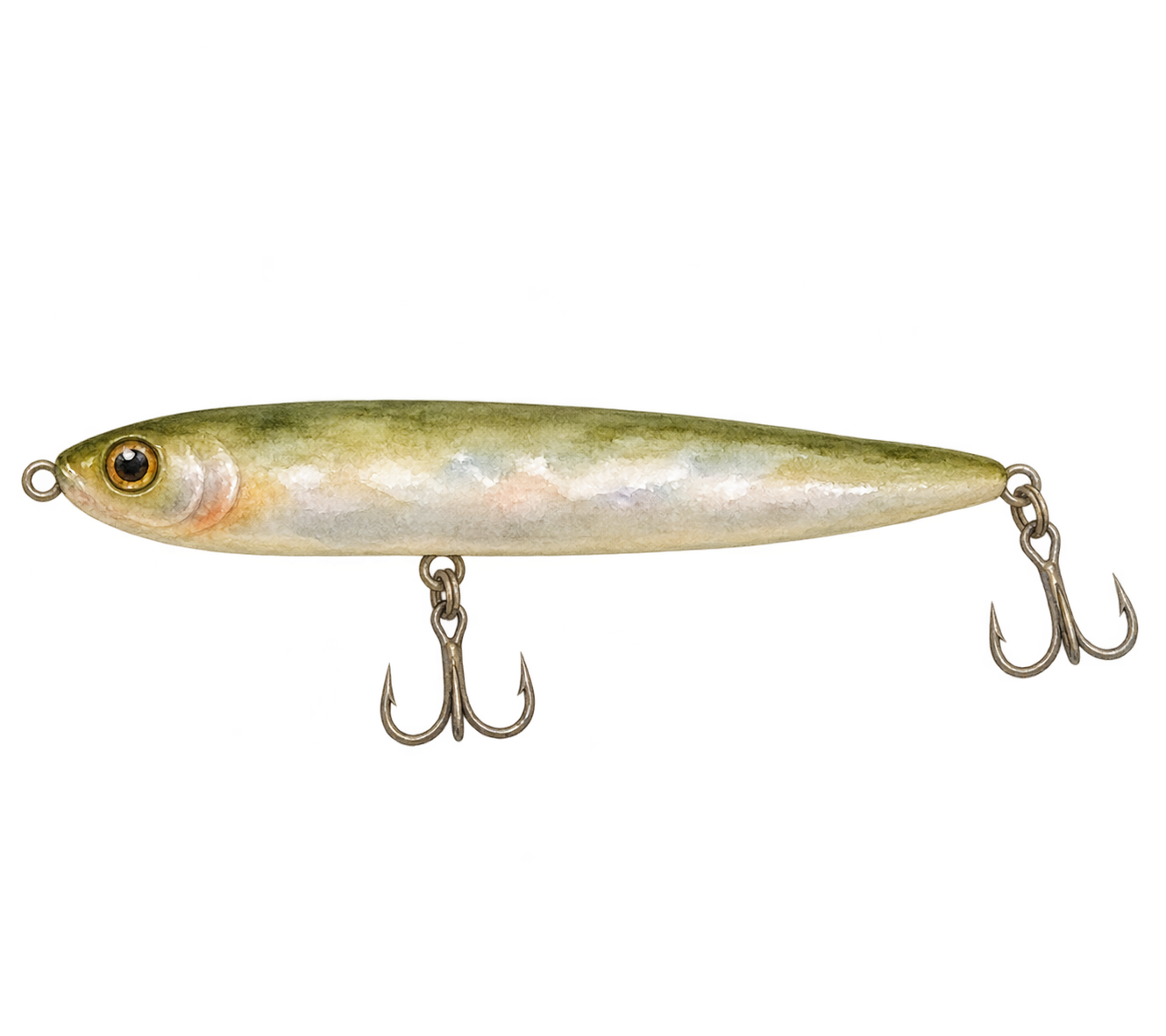
Walking Baits
Slim floating hardbaits worked with short twitches and slight slack to walk side to side.
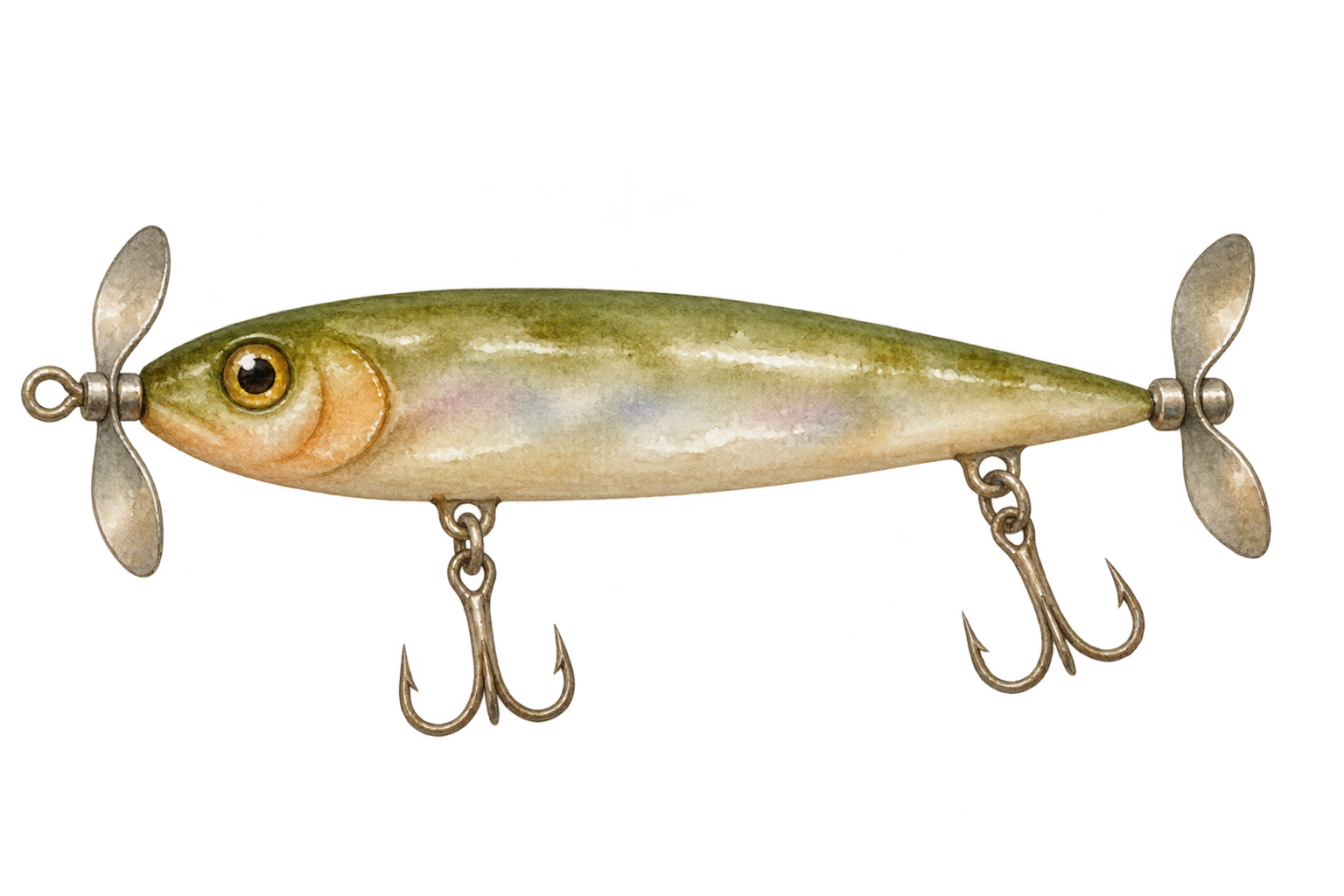
Prop Baits
Body-mounted propellers disturb the surface and leave an audible wake.
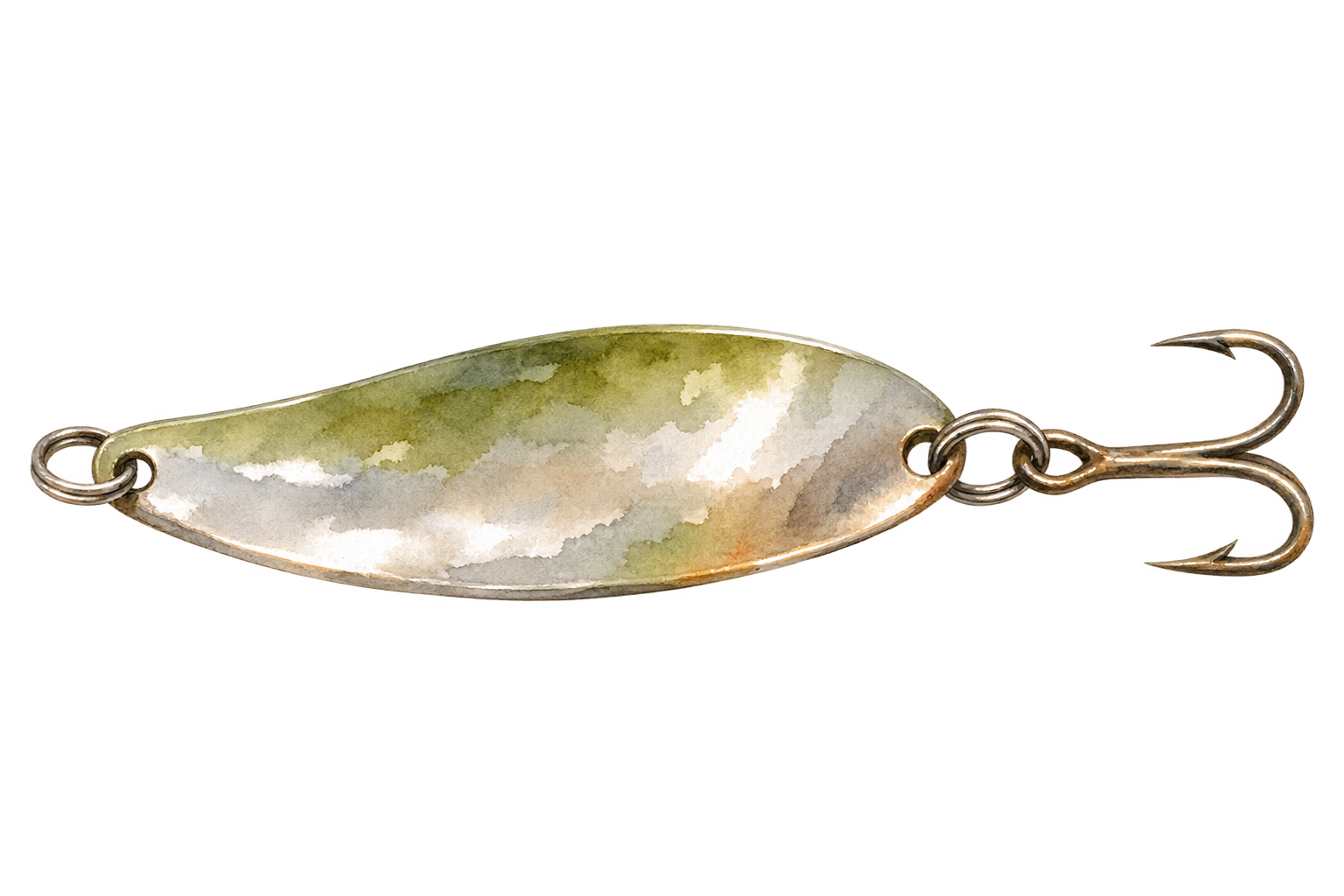
Spoon-shaped lure
Curved metal flashes and wobbles on retrieve and fall; casting, trolling and vertical models work differently.
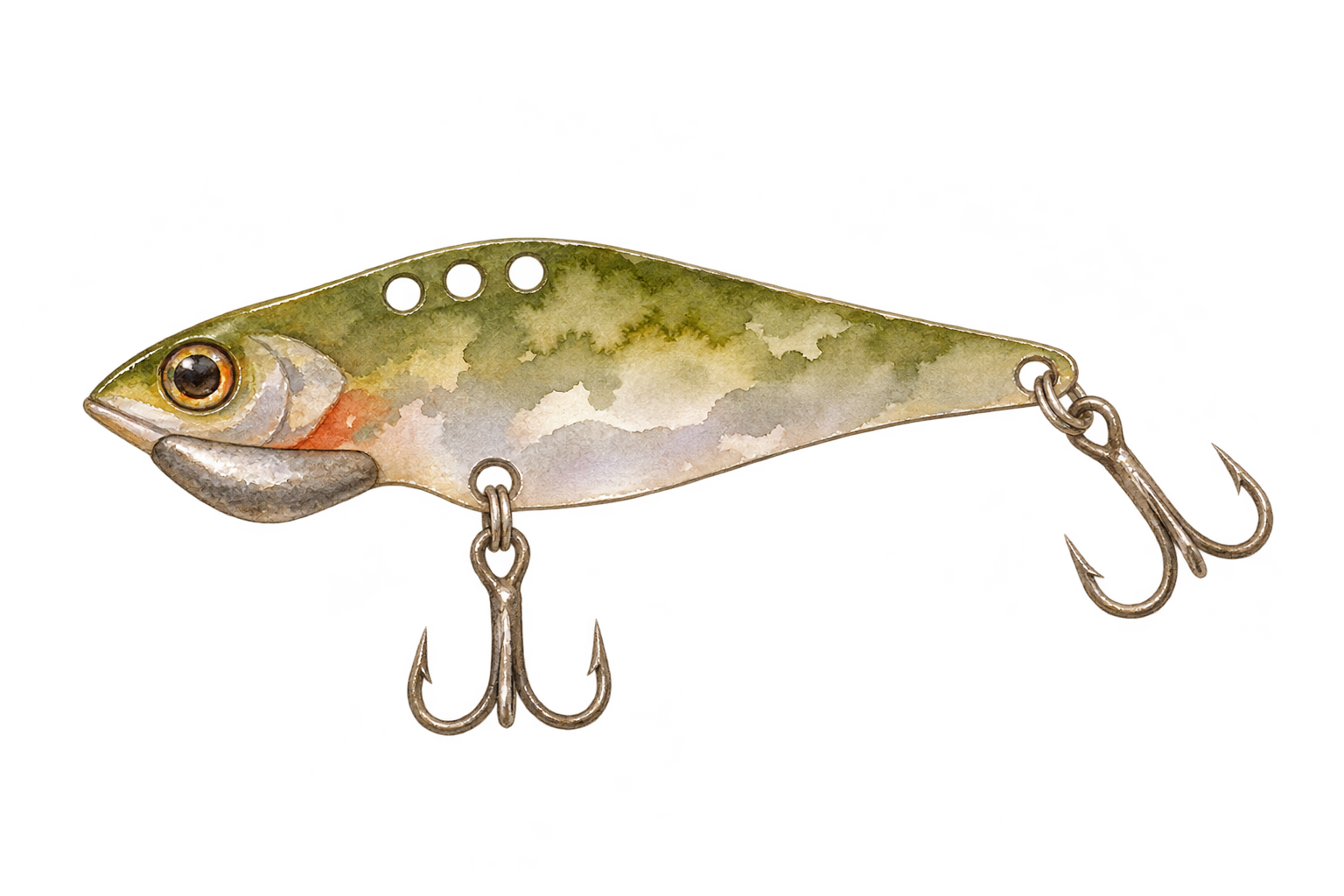
Blade Baits
A thin weighted metal blade vibrates on the lift, distinct from elongated metal jigs and hard-bodied lipless cranks.
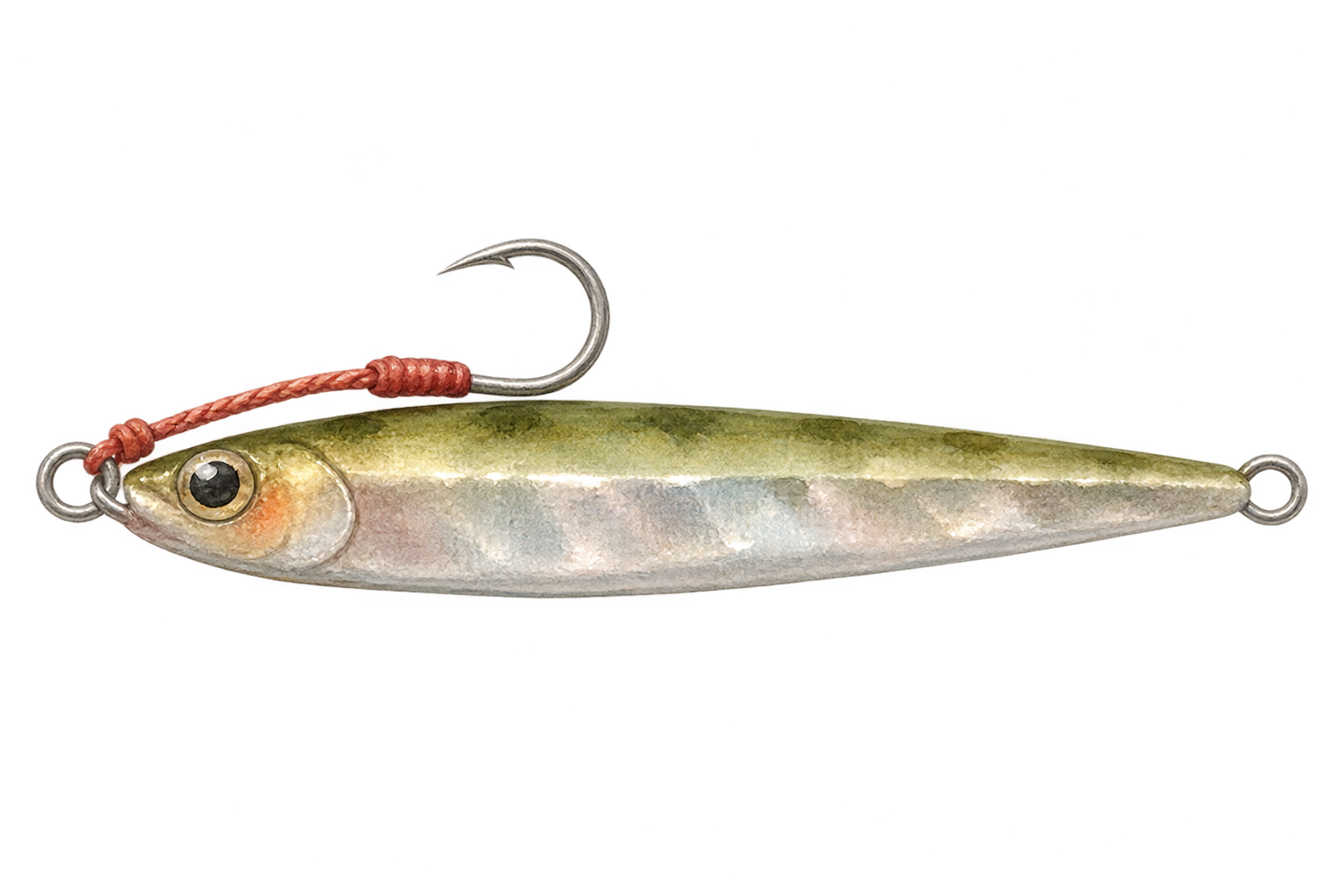
Metal Jigs
Solid metal lures for casting or vertical jigging; shape and weight distribution affect action and fall.
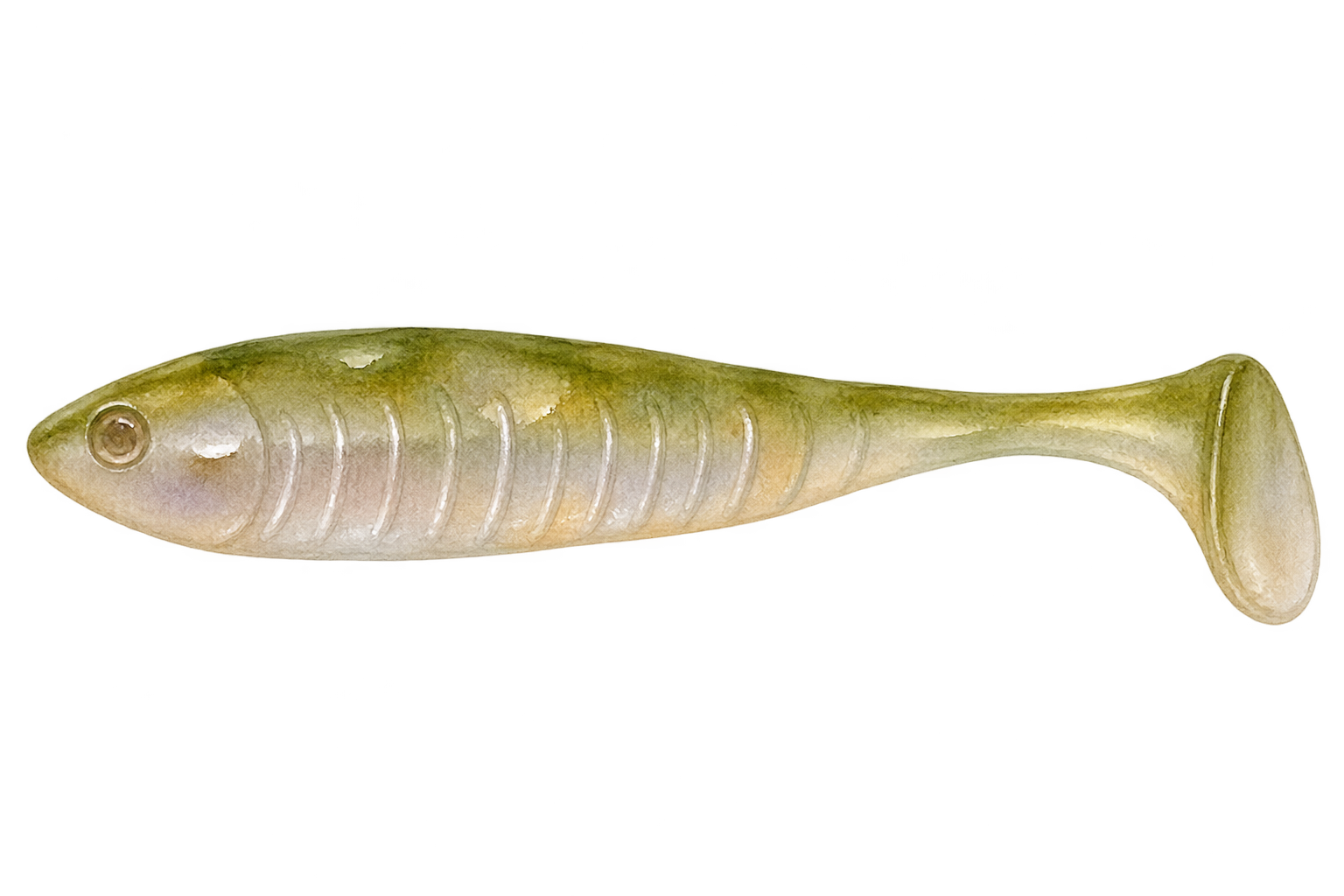
Paddletails / Grubs
Paddle or curly tails move during retrieve and can be used on jigheads, offset hooks or as trailers.