Mandarin Fish
- Water
- Freshwater
- Habitat
- Rock piles, slope bases and sheltered bottom structure.
- Lure guidance
- Start with a jighead softbait and use only enough weight to read bottom; avoid repeated crevice snags.
Behavior and tackle
These local examples use the middle and lower Yangtze climate for monthly activity and do not represent every species in a group.
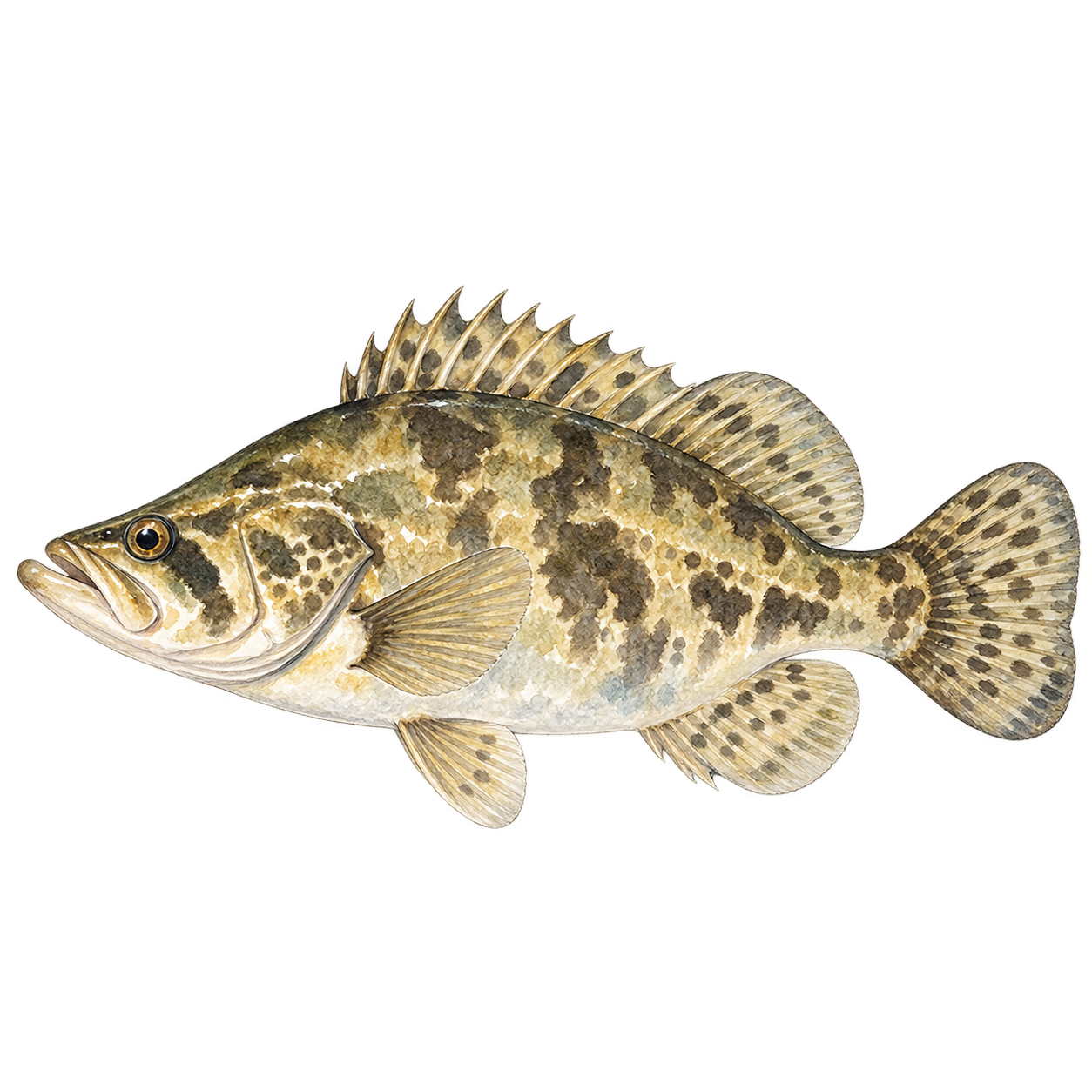
Mandarin Fish Siniperca chuatsi
A native Chinese bottom-dwelling ambush predator with irregular blotches on its sides, a big mouth and sharp teeth; it eats almost nothing but live fish and shrimp. Prized as table fare, it is mostly caught on soft plastics fished on the bottom.
Habitat
- Rocky banks, rock piles, crevices and steep drop-offs
- Rivers, reservoirs and lakes with some current and good water quality
- Areas with cover on the bottom
Behavior
- By day it lurks in rock crevices, weeds and other cover; it is active at dawn, dusk and night.
- Stays on the bottom and ambushes passing small fish and shrimp.
- Moves to deep water for winter and becomes more active as the water warms in spring.
Monthly activity
Recommended Tackle
- Rod
- Spinning ML–M 6'6"–7'0", fast action, sensitive tip
- Reel
- Spinning 2000–2500
- Line
- PE #0.6–1.0 + fluoro leader 8–12 lb
- A paddle tail on a jig head, slow-rolled or hopped along the bottom, is the classic mandarin fish technique.
- Rocky areas snag a lot; switch to a Texas rig or free rig.
Its dorsal spines are sharp and a stab really hurts. Use a fish grip or a wet cloth when unhooking, and don't grab its back bare-handed.
Lure options
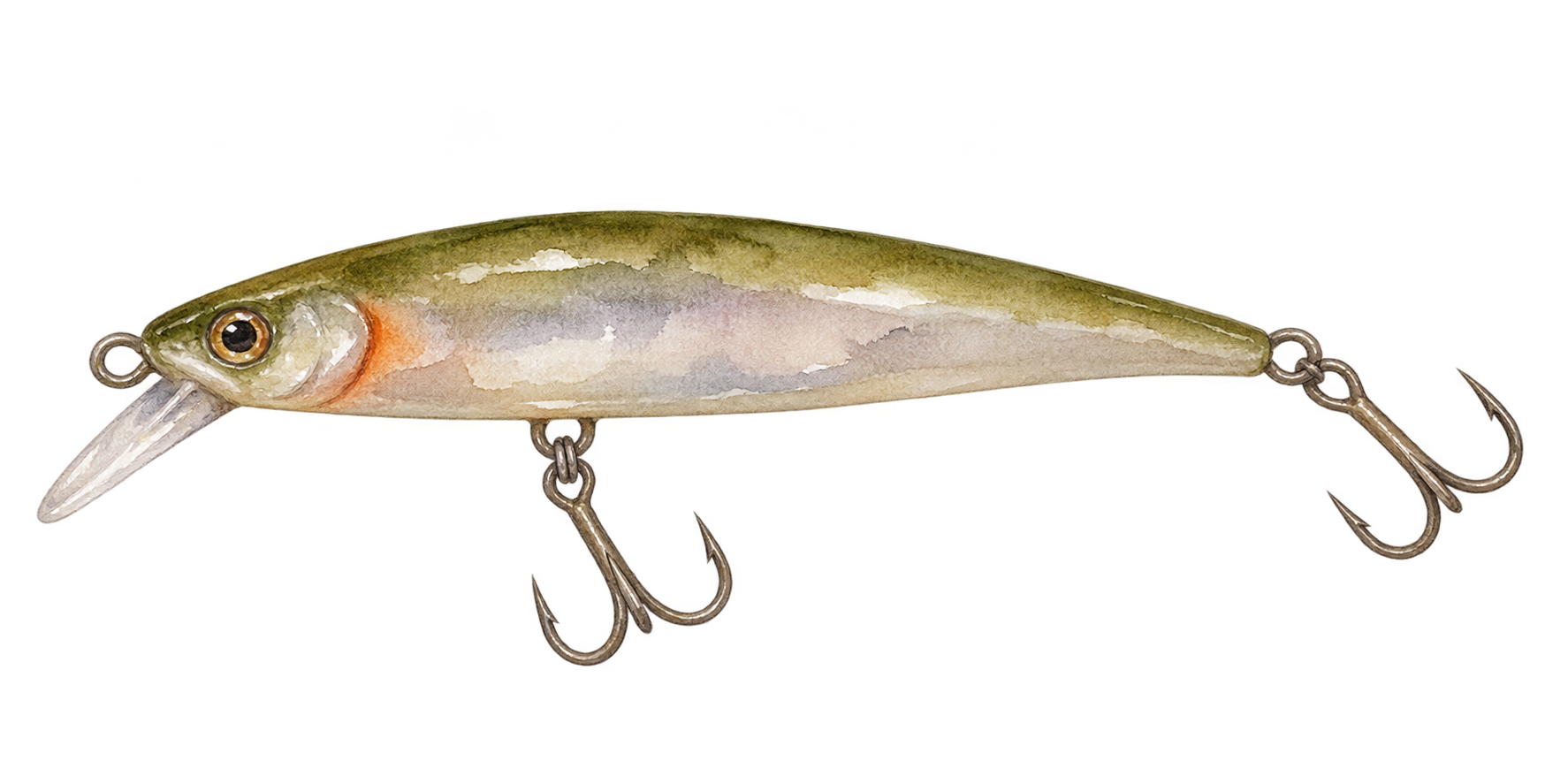
Minnows / Jerkbaits
Slender hardbaits that imitate swimming baitfish on a steady retrieve and dart on short twitches.
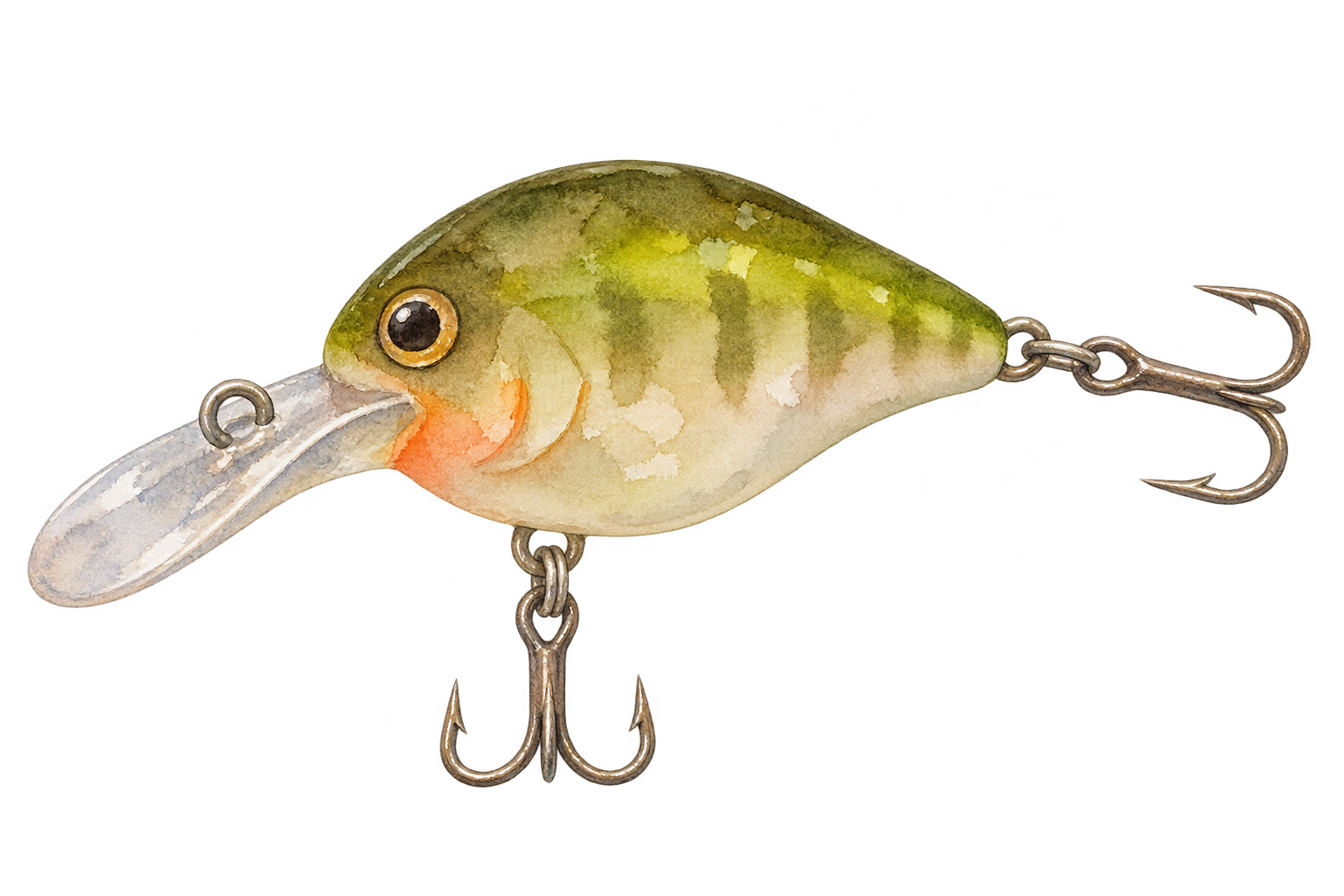
Lipped Crankbaits
Rounded hardbaits that dive and wobble using a lip; the family includes shallow, medium and deep runners.
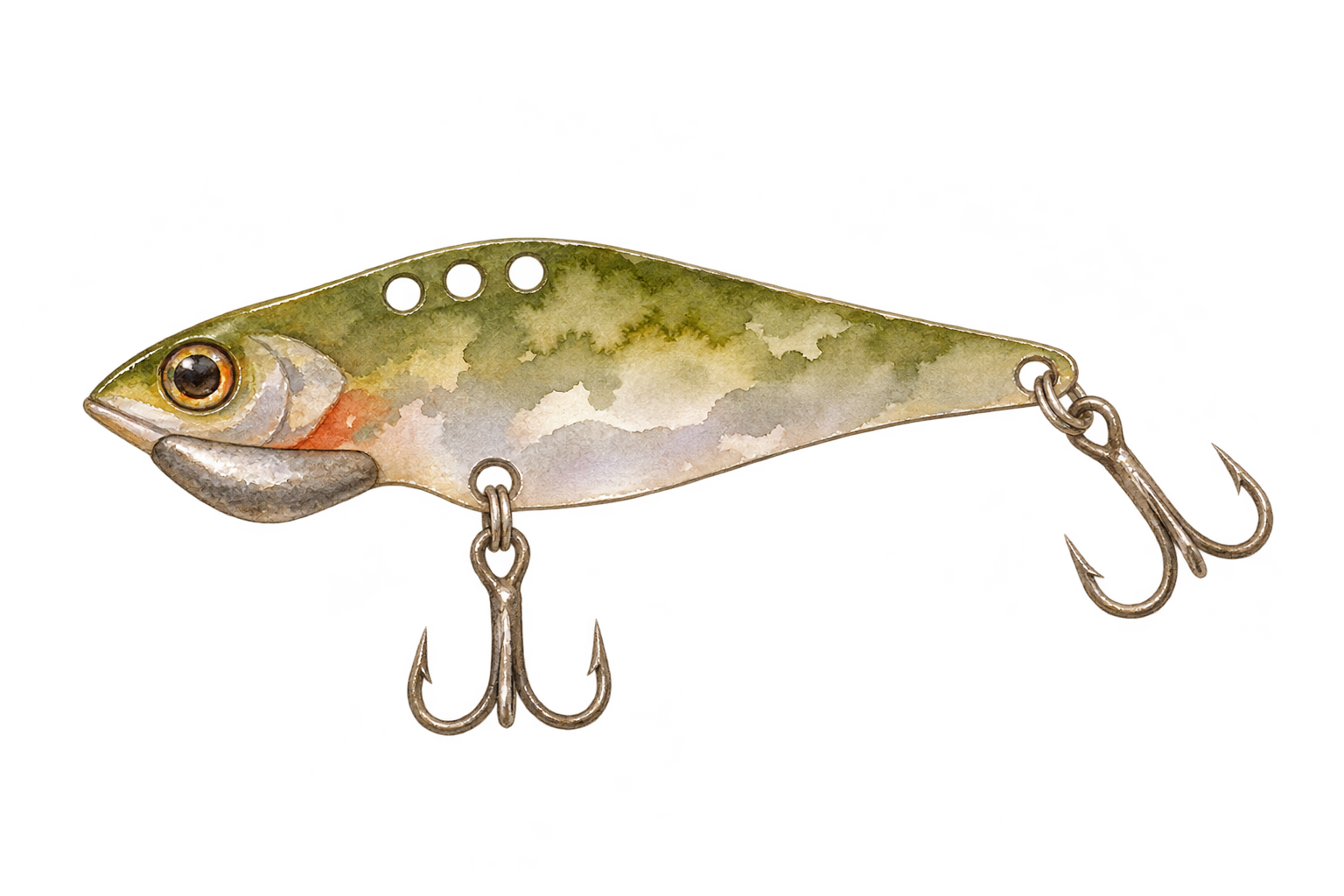
Blade Baits
A thin weighted metal blade vibrates on the lift, distinct from elongated metal jigs and hard-bodied lipless cranks.
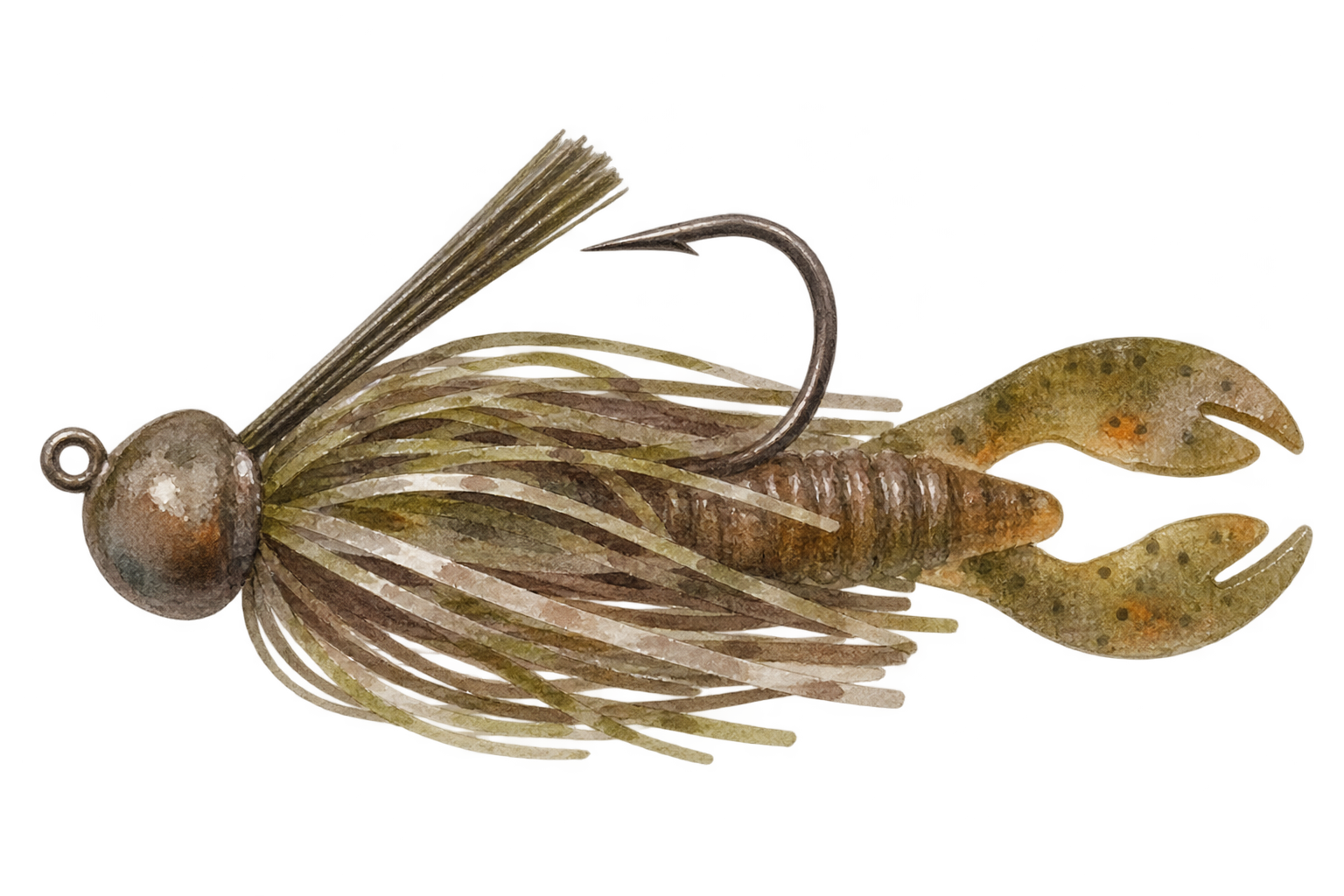
Skirted Bottom Jigs
A weighted hook, skirt and trailer for bottom presentations; this entry does not represent every jig.
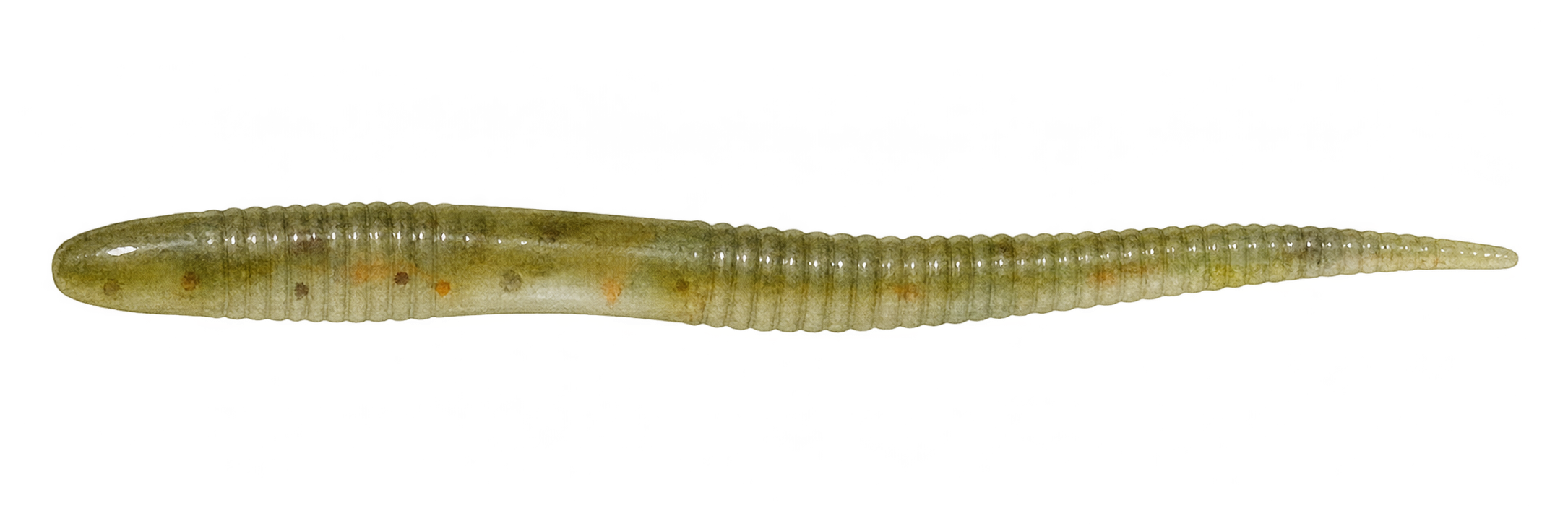
Worms / Stickbaits
Slender worms and stickbaits presented with slow falls, shakes and drags; the rig defines depth and action.
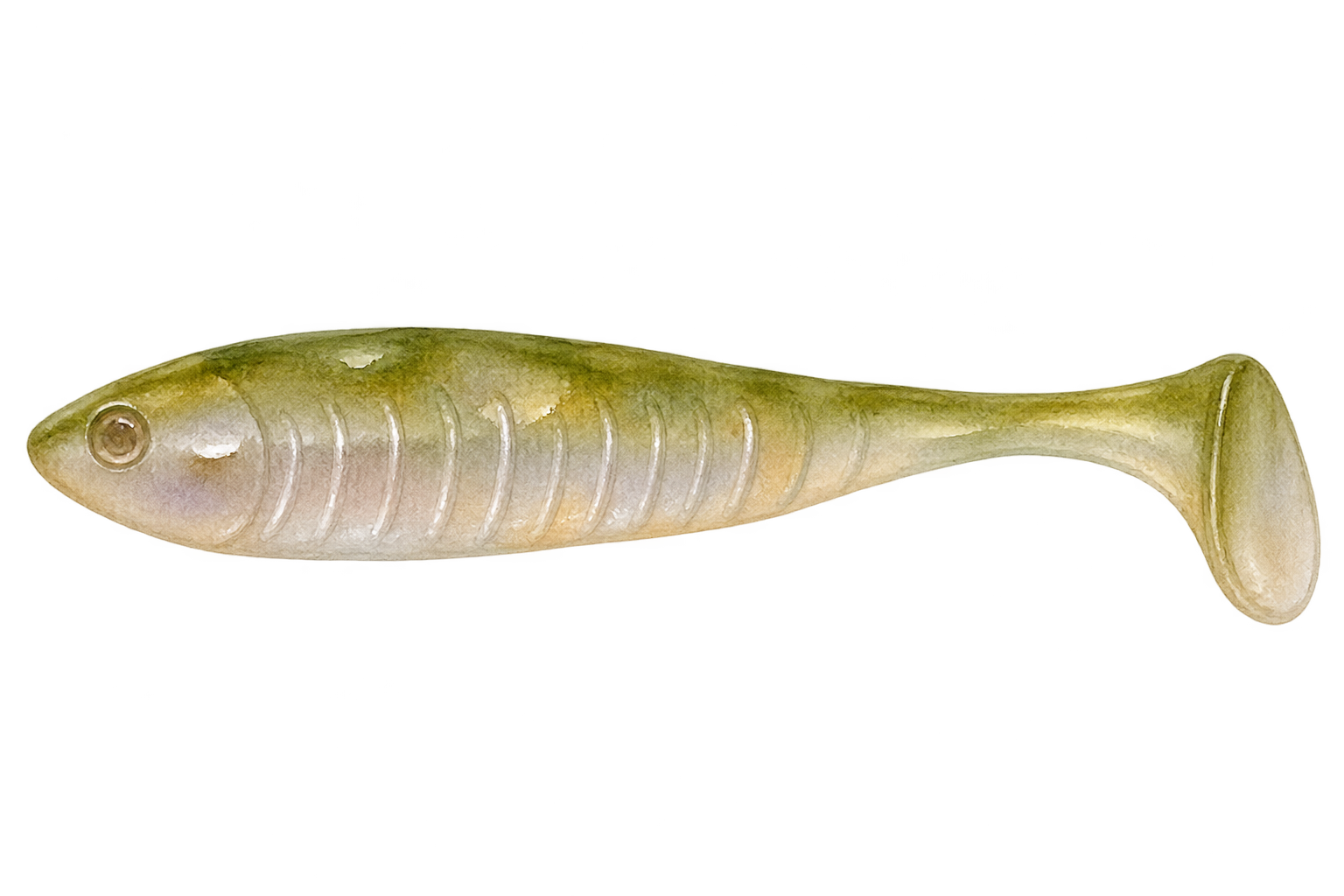
Paddletails / Grubs
Paddle or curly tails move during retrieve and can be used on jigheads, offset hooks or as trailers.
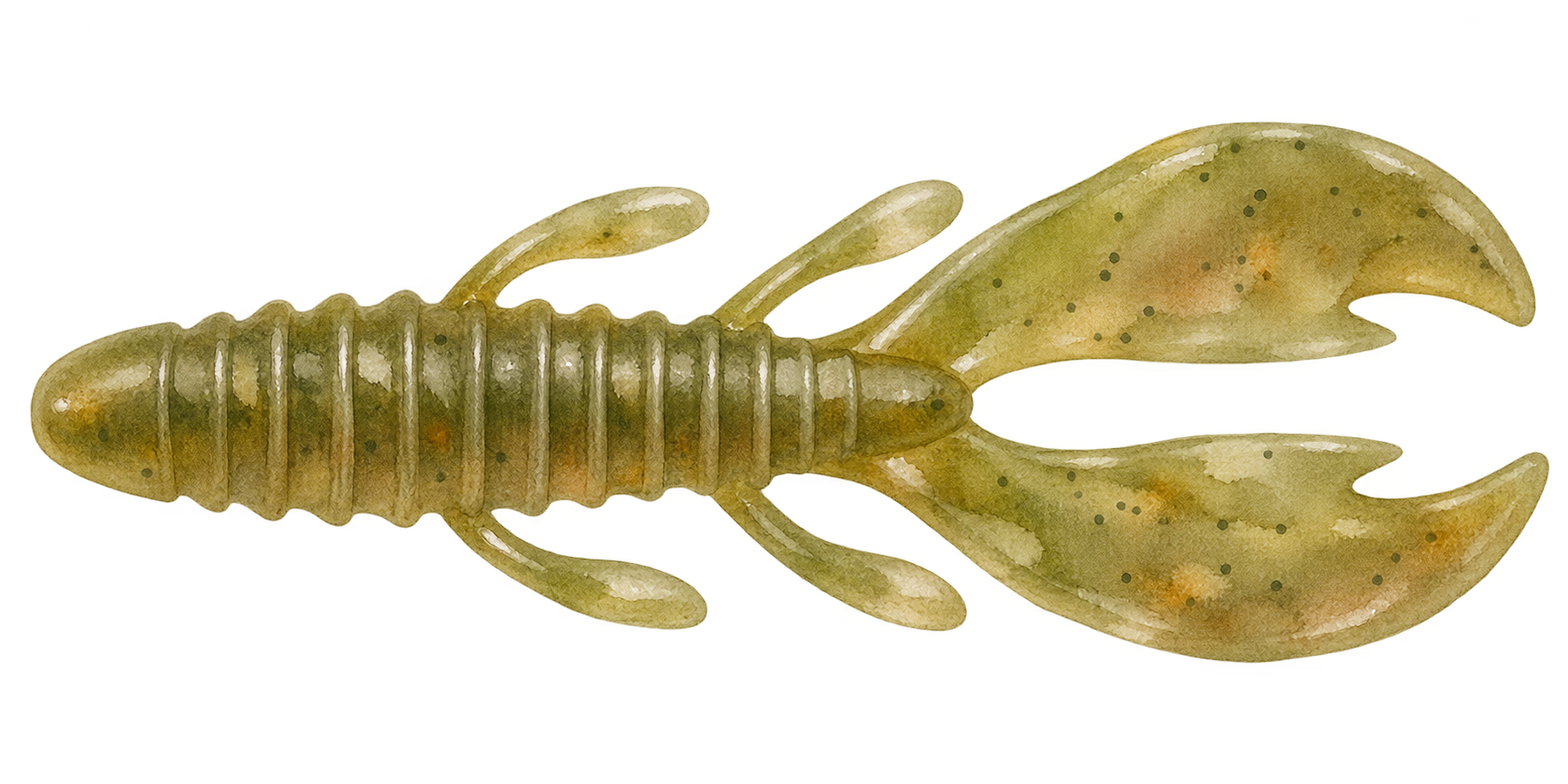
Craws / Creature Baits
Soft baits with claws or appendages for Texas/free rigs or jig trailers.