Lure catalog / Artificial Flies
L.22Artificial Flies
Artificial Flies
Imitations tied from feathers, hair or synthetics; dry flies, nymphs and streamers require distinct presentations.
Shape and identification
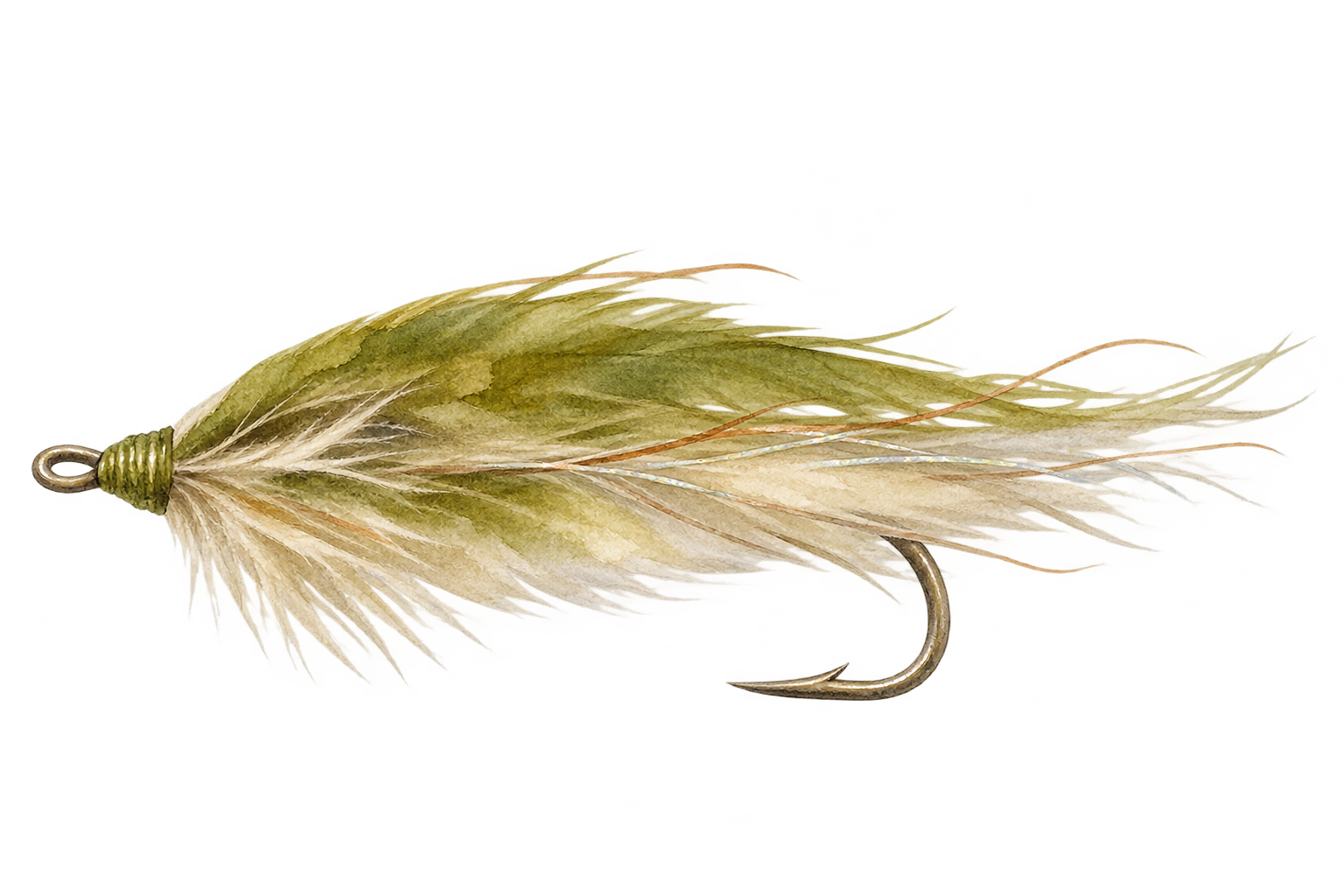
PRESENTATION
- Buoyancy
- Dry flies float; nymphs and streamers can sink
- Working layer
- Pattern, weighting, fly line and leader determine depth from surface to deeper layers.
- Example size
- Pattern & hook size
- Example weight
- Pattern-specific
- Tackle notes
- Match fly rod, line and leader, increasing line capacity for large or weighted flies.
01Use & Limits
Use and limits
When & Where
Insect hatches, stream drifts or baitfish imitation with streamers.
Limits and common errors
Fly casting does not directly transfer to standard lure tackle; not all flies are dead-drifted.
02Retrieve
Retrieve steps
- Identify whether fish are feeding on surface insects, nymphs or baitfish.
- Match a dry fly to the hatch and mend to reduce unnatural drag.
- Strip or swing streamers and adjust to fish response.
04Targets
Target examples
Target links are starting points; match the model to fish size, depth and cover.
REFReferences
References and scope
- Take Me Fishing / RBFF · Fly Fishing FAQ ↗
Dry flies, nymphs, streamers and the meaning of matching the hatch.
- Take Me Fishing / RBFF · Freshwater Fishing Lures ↗
An introduction to hardbaits, plastics, spoons and rotating-blade lures.